Understanding Ingrown Toenail Causes
- posted: Feb. 06, 2026
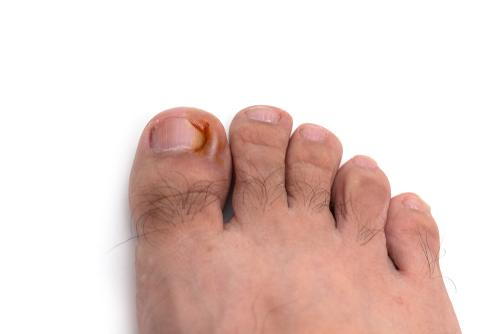
An ingrown toenail, or onychocryptosis, is one of the most common and painful conditions we treat at Associates in Podiatry. It occurs when the side or corner of a toenail grows into the surrounding flesh rather than over it. While it may seem like a minor nuisance, it can quickly lead to inflammation, severe pain, and secondary infections. Dr. Ryan H. Slepoy, DPM, works with patients in Bedford, NH, to identify the specific triggers behind this condition and provide lasting relief through professional intervention.
Improper Trimming Habits
The most frequent cause of an ingrown toenail is a simple error in grooming. Many people believe they should follow the curve of the toe when cutting their nails, but this often encourages the corners to dig into the skin. When you trim your nails too short or round the edges excessively, the skin can fold over the nail, creating a path for the nail to grow into the soft tissue. To prevent this, it is essential to cut the nail straight across and avoid tapering the corners.
Ill-Fitting Footwear
Your choice of shoes plays a significant role in the health of your toes. Footwear that is too tight, narrow, or has a shallow toe box places constant pressure on the sides of the nails. This mechanical force pushes the nail plate into the nail fold, eventually breaking the skin. Whether it is a stylish pair of high heels or athletic shoes that are half a size too small, the lack of room can cause chronic irritation. For active residents in Bedford, NH, ensuring that your shoes provide ample space for your toes to move is a primary step in prevention.
Genetic Factors and Nail Shape
Sometimes, the cause of an ingrown toenail is simply a matter of heredity. Some individuals are born with nails that are naturally more curved or "pincer-shaped," making them more prone to digging into the skin regardless of how they are trimmed. Additionally, if your nail is naturally wide compared to the nail bed, the edges are more likely to meet resistance from the surrounding tissue. In these cases, professional care from Dr. Ryan H. Slepoy is often necessary to provide a permanent solution that alters the nail's growth pattern.
Trauma and Underlying Conditions
Acute injuries, such as stubbing your toe or having a heavy object fall on your foot, can displace the nail and cause it to grow incorrectly. Similarly, repetitive stress from activities like soccer, ballet, or long-distance running can lead to micro-trauma that encourages ingrown edges. Furthermore, poor circulation or fungal infections can cause the nail to thicken or distort, increasing the likelihood of it piercing the skin.
When to Seek Professional Care
While it may be tempting to perform "bathroom surgery," attempting to dig out an ingrown nail yourself often results in deeper infection and more pain. Dr. Ryan H. Slepoy, DPM, offers safe, sterile, and effective treatments ranging from conservative lifting of the nail to minor procedures that prevent recurrence. If your toe is red, swollen, or draining, it is time for a professional evaluation at our Bedford, NH, office. Schedule your appointment by calling (603) 471-9933.
- posted: Feb. 06, 2026
An ingrown toenail, or onychocryptosis, is one of the most common and painful conditions we treat at Associates in Podiatry. It occurs when the side or corner of a toenail grows into the surrounding flesh rather than over it. While it may seem like a minor nuisance, it can quickly lead to inflammation, severe pain, and secondary infections. Dr. Ryan H. Slepoy, DPM, works with patients in Bedford, NH, to identify the specific triggers behind this condition and provide lasting relief through professional intervention.
Improper Trimming Habits
The most frequent cause of an ingrown toenail is a simple error in grooming. Many people believe they should follow the curve of the toe when cutting their nails, but this often encourages the corners to dig into the skin. When you trim your nails too short or round the edges excessively, the skin can fold over the nail, creating a path for the nail to grow into the soft tissue. To prevent this, it is essential to cut the nail straight across and avoid tapering the corners.
Ill-Fitting Footwear
Your choice of shoes plays a significant role in the health of your toes. Footwear that is too tight, narrow, or has a shallow toe box places constant pressure on the sides of the nails. This mechanical force pushes the nail plate into the nail fold, eventually breaking the skin. Whether it is a stylish pair of high heels or athletic shoes that are half a size too small, the lack of room can cause chronic irritation. For active residents in Bedford, NH, ensuring that your shoes provide ample space for your toes to move is a primary step in prevention.
Genetic Factors and Nail Shape
Sometimes, the cause of an ingrown toenail is simply a matter of heredity. Some individuals are born with nails that are naturally more curved or "pincer-shaped," making them more prone to digging into the skin regardless of how they are trimmed. Additionally, if your nail is naturally wide compared to the nail bed, the edges are more likely to meet resistance from the surrounding tissue. In these cases, professional care from Dr. Ryan H. Slepoy is often necessary to provide a permanent solution that alters the nail's growth pattern.
Trauma and Underlying Conditions
Acute injuries, such as stubbing your toe or having a heavy object fall on your foot, can displace the nail and cause it to grow incorrectly. Similarly, repetitive stress from activities like soccer, ballet, or long-distance running can lead to micro-trauma that encourages ingrown edges. Furthermore, poor circulation or fungal infections can cause the nail to thicken or distort, increasing the likelihood of it piercing the skin.
When to Seek Professional Care
While it may be tempting to perform "bathroom surgery," attempting to dig out an ingrown nail yourself often results in deeper infection and more pain. Dr. Ryan H. Slepoy, DPM, offers safe, sterile, and effective treatments ranging from conservative lifting of the nail to minor procedures that prevent recurrence. If your toe is red, swollen, or draining, it is time for a professional evaluation at our Bedford, NH, office. Schedule your appointment by calling (603) 471-9933.
Our Location
Find us on the map
Associates in Podiatry
18 Constitution Drive
Bedford, NH 03110, US